
Story
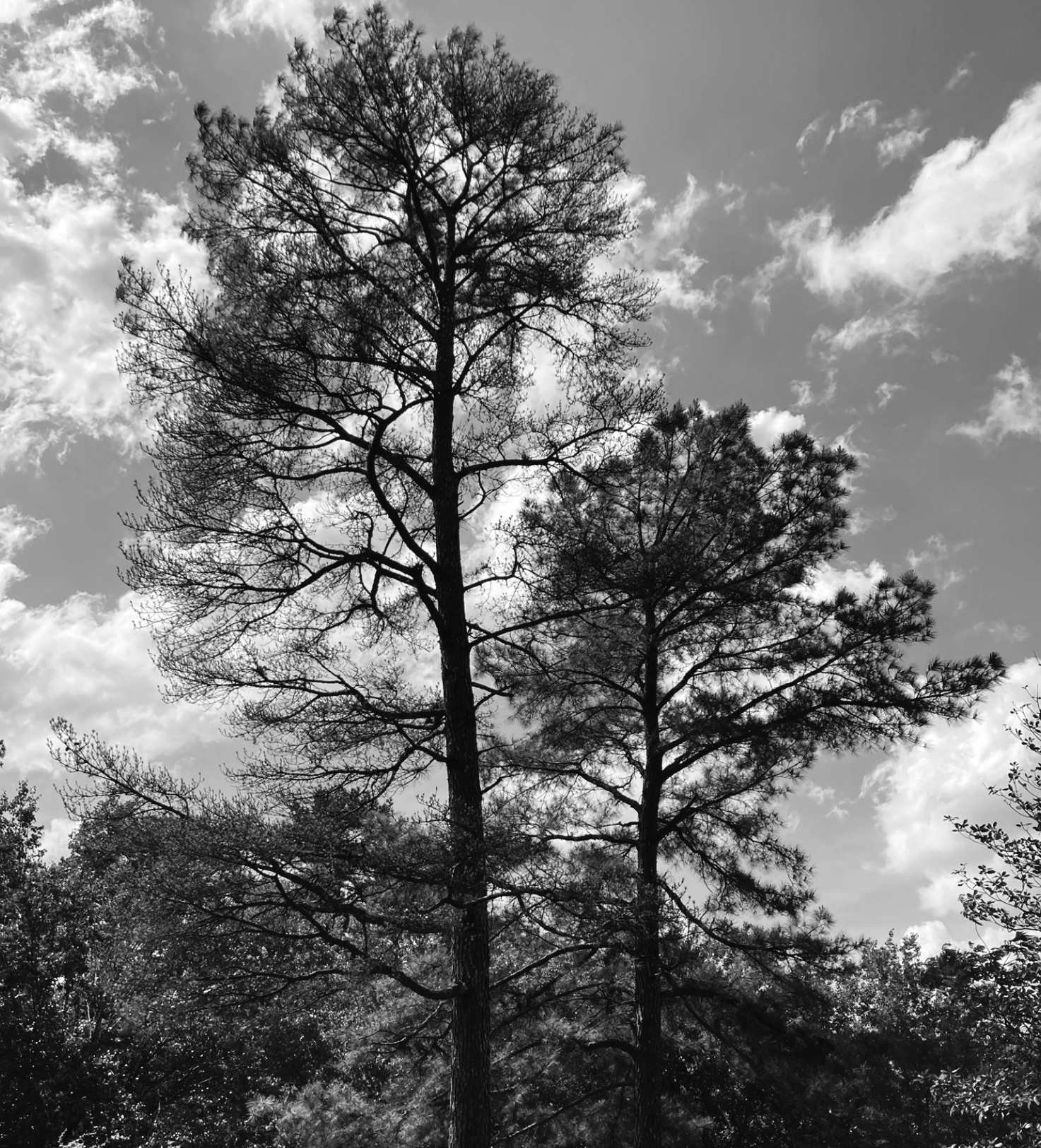
Brown Spot Needle Blight Affecting Mississippi Pine Trees
Concern has spread among Mississippi landowners who have recently noticed extensive pine needle browning and loss among their mature loblolly pine trees recently. Kristy Mc-Andrew, a forestry health specialist with the...
Concern has spread among Mississippi landowners who have recently noticed extensive pine needle browning and loss among their mature loblolly pine trees recently. Kristy Mc-Andrew, a forestry health specialist with the Mississippi State University Extension Service, said brown spot needle blight, or BSNB, is widespread in Mississippi right now and may be the culprit.
BSNB, which is caused by the native fungus Lecanosticta acicola, commonly affects young longleaf pine trees but is now affecting mature loblolly pine trees across the Southeast. “This disease wasn’t really a concern with loblolly in the past, but now we are seeing it in mature trees pretty frequently,” said McAndrew, who is also a professor in the MSU Department of Forestry. “Early reports in the region started around the mid-2010s, and we’ve been seeing it in loblolly since then at varying rates.” As a researcher with the MSU Forest and Wildlife Research Center, McAndrew is also part of a team of scientists studying the fungus’ jump to mature loblolly pines. “The good news is we’re not seeing much tree death. The most common thing we are finding is reduced growth rate,” she said.
Symptoms of BSNB include brownishred needles in late winter and spring, small brown spots with yellow halos on needles, premature needle drop and thinning canopy. Trees will green back up through the summer as dead needles are shed. Emerging green needles that appear as early as early April are a sign that the tree will survive.
The fungus is present year-round, but trees don’t show symptoms until very late winter or early spring. In northeast Mississippi, McAndrew said needle loss and discoloration was observed from February to March in previous years. But this year, symptoms were not seen until the last few weeks of April. The timing of observable symptoms could vary in different areas of the state. “I would shift that time frame just a little bit over here in the northwest part of the state,” said Brady Self, MSU Extension forestry specialist based in Grenada County. “Symptoms really start being noticeable in March and are in full swing in April. The needles have replaced themselves for the most part by the end of May. Loblolly pines have shown the most susceptibility to the fungus. However, other pines can be affected by the fungus but to a much lesser degree. The reason peo-