
Story
Felder's Soil Secrets
The soil we force plants into, whether just plain dirt, raised beds, or pots, is often the unseen make-or-break issue for your garden. Neglect it, and your plants will suffer. By the way, at some risk of being accused...
The soil we force plants into, whether just plain dirt, raised beds, or pots, is often the unseen make-or-break issue for your garden. Neglect it, and your plants will suffer.
By the way, at some risk of being accused of ignorance, I use soil and dirt interchangeably; the root of one comes from French, the other from Old English, but they mean basically the same thing. But for now, let's say dirt is what you dig out of the ground, and soil is improved dirt with organic material mixed in. Think "crumbled crackers stirred into a bowl of soup" and you get the idea.
Basically, soil anchors plant roots, provides drainage for water and air, and holds nutrients, and there are some plants adapted to all sorts of materials, even just water, as long as it has dissolved nutrients.
But here is the rub: Pure sand drains fast but dries out and won't hold nutrients, while clay holds nutrients but stays wet part of the year so roots can't penetrate deeply or get the oxygen they need. And what is sold as potting soil is usually just fine bark with peat moss or manure or compost added.
What is best for most plants is a blend of different materials and believe me no two gardeners will agree on the best mix. As long as it holds plants up and doesn't need watering all the time, most will do just fine, but whatever I start with I usually have to add stuff to increase either drainage or water holding capacity, and I help plants along by adding a few nutrients as needed through fertilizers, both natural and synthetic (doesn't have to be either/or).
For my flower and shrub beds, and my partly sunk, partly raised veg beds I dig a shovel deep, then fluff up the natural clay soil with organic matter, mostly long-lasting chipped bark for extra drainage and either compost or manure or cheap potting soil. For heavy wet potting soil, I may add crunchy perlite; if it dries out too fast maybe extra peat moss (no, it is not running out, at least not in North America).
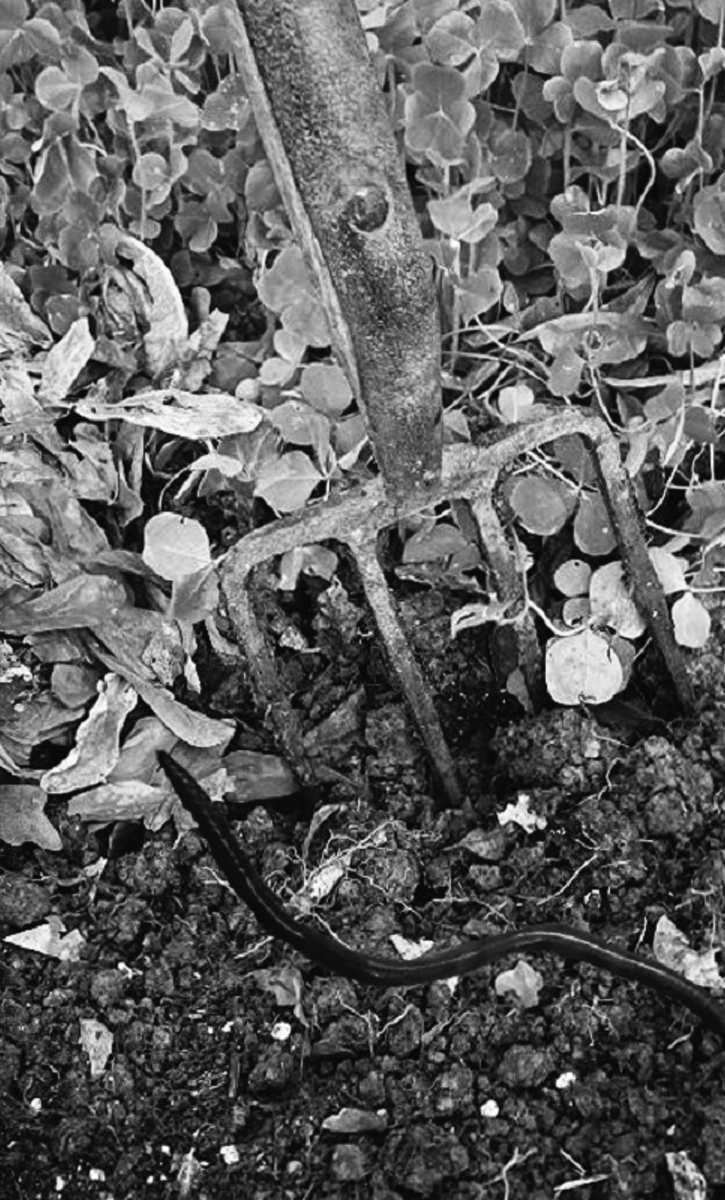
But here's the deal. All healthy soil teems, or should teem, with life, from crucial microscopic fungi and beneficial bacteria that break everything down into usable plant nutrients, to more visible earthworms and other larger critters that aerate soil and spread stuff including nutrients around roots.
Bagged commercial potting soils are generally sterile and don't have those things, which means natural fertilizers can't break down quickly and work very well. I get around this by adding life - not talking about the store-bought mycorrhizae or soil building products that experts swear by, but home-made compost or a little real woods soil to my mixes, including potted plants, and that does the trick.
Lastly, I don't just walk away. To keep garden soil healthy, which promotes stronger, more productive plants with less input, I cover it with real tree leaf or bark mulch (not pine straw, which is basically waxy wood strips), which break down and get dragged deep by worms and recycle nutrients. The areas not being planted constantly have a little clover sown in the fall to work in the next spring. And I repot my container grown plants every few years to add fresh potting soil to replace what breaks down and washes out of the pot.
None of this is fun, especially this time of year. But for my plants to work for me, I do a little work for them, by feeding what they grow in. Pays off.