
Story
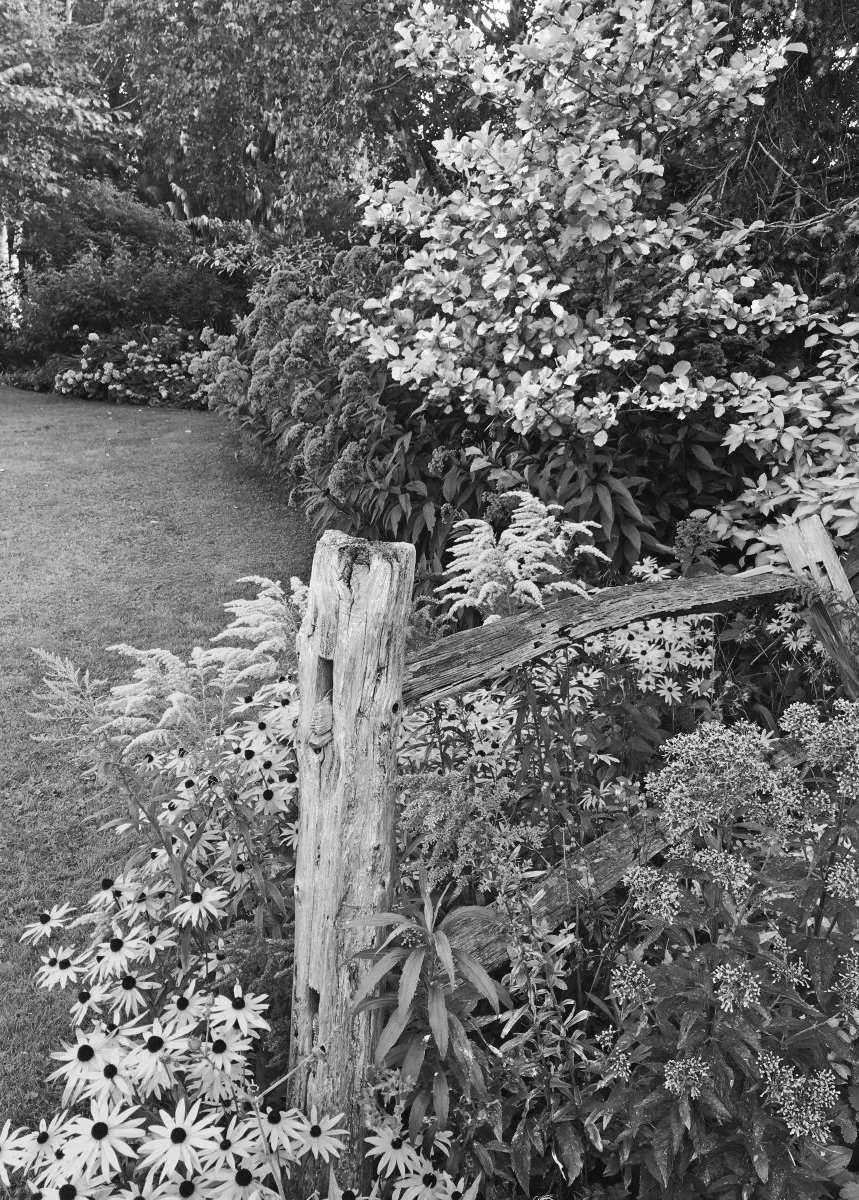
Felder's Tidy Native Garden
A native plant garden doesn't have to look like an unkempt pasture. It is very easy to have an all-native landscape designed and maintained like a regular home landscape, very attractive both in looks and benefits to...
A native plant garden doesn't have to look like an unkempt pasture. It is very easy to have an all-native landscape designed and maintained like a regular home landscape, very attractive both in looks and benefits to urban wildlife.
I'm not thinking right now just about wildflowers; rather, a regular suburban-style landscape just like your neighbor, with normal-looking trees, shrubs, flower beds, lawn, and all-important hard features including walks, fences, arbors, and the like. An overall landscape, not just a slice of wildflower meadow or dense woodland.
I'm not even thinking about the many "normal flower bed flowers" we regularly use which are native to Mississippi, including coreopsis, blackeyed Susan, goldenrod, stokes aster, liatris, monarda, Louisiana iris, purple coneflower, ferns, phlox, gaura, and a dozen or so others.
All those are readily available in most garden centers, and are used just like daylilies, canna, iris, mums, zinnias, and marigolds. Some natives are just normal flowers, tidy enough to grow without being weedy, with benefits for native bees, butterflies and other wildlife.
And not judging anyone who shoots for the best of both worlds by mixing some from each group, along with the occasional well-adapted non-native trees and shrubs, from crape myrtles and azaleas to gardenias and vitex. To me, a garden is a special place set apart from the rest of the world where we can and should take advantage of all that pleases us without being problematic if they escape into the fields and woods.
What I am thinking of specifically is how an effective landscape, the whole picture of function and beauty, can be done all native. Once the layout, the views, the walks and walls and seating are done, there are more than enough native trees and shrubs to enhance it.
Start with trees, which frame the garden and provide shade for us and food and nesting for wildlife. Just a single oak can pull this off. Native. Add a magnolia, redbud, red cedar, bald cypress, American holly, pine, and fringe tree (grancy graybeard, a good substitute for the more finicky dogwood), and you have shapes, colors, flowers, and pollinators. And those are just half the very common garden-quality trees I can name off the top of my head that we all grow in regular gardens, without our even thinking about their being natives.
Under the trees and around the house we can easily work in dwarf yaupon holly, oakleaf hydrangea, deciduous azaleas, beautyberry, dwarf palmetto, compact yucca, sweetshrub, prickly pear cactus, and blueberries. Again, only half the all-native shrub species I see regularly around town. Throw in an arbor draped with Carolina jessamine, coral honeysuckle, or half a dozen other Mississippi vines and any landscape will start looking enticing to both us and beneficial critters.
So that's a decent starting point for a working, extremely low-maintenance garden, filled with beautiful non-invasive, climate-adapted native plants for all seasons looks with looking wild. Even the HOA will be okay with them.
Adding flower beds and containers brimming with some of the herbaceous plants already mentioned, is lagniappe. For more interest, only the most zealous natives-only designer would find an occasional non-native tree, shrub, vine, or flower to be amiss; who could possibly fault anyone for having a mostly native garden that includes daffodils, basil, camellia, and roses?
So that's my whole approach. Start with the practical all-year hard features, frame it with trees, step it down with shrubs, and add flowers for seasonal interest. Mostly if not all native.
We'll deal with the lawn another time, but just a smaller, low-growing flower-laden, mow-what-grows approach makes the most sense overall.