
Story
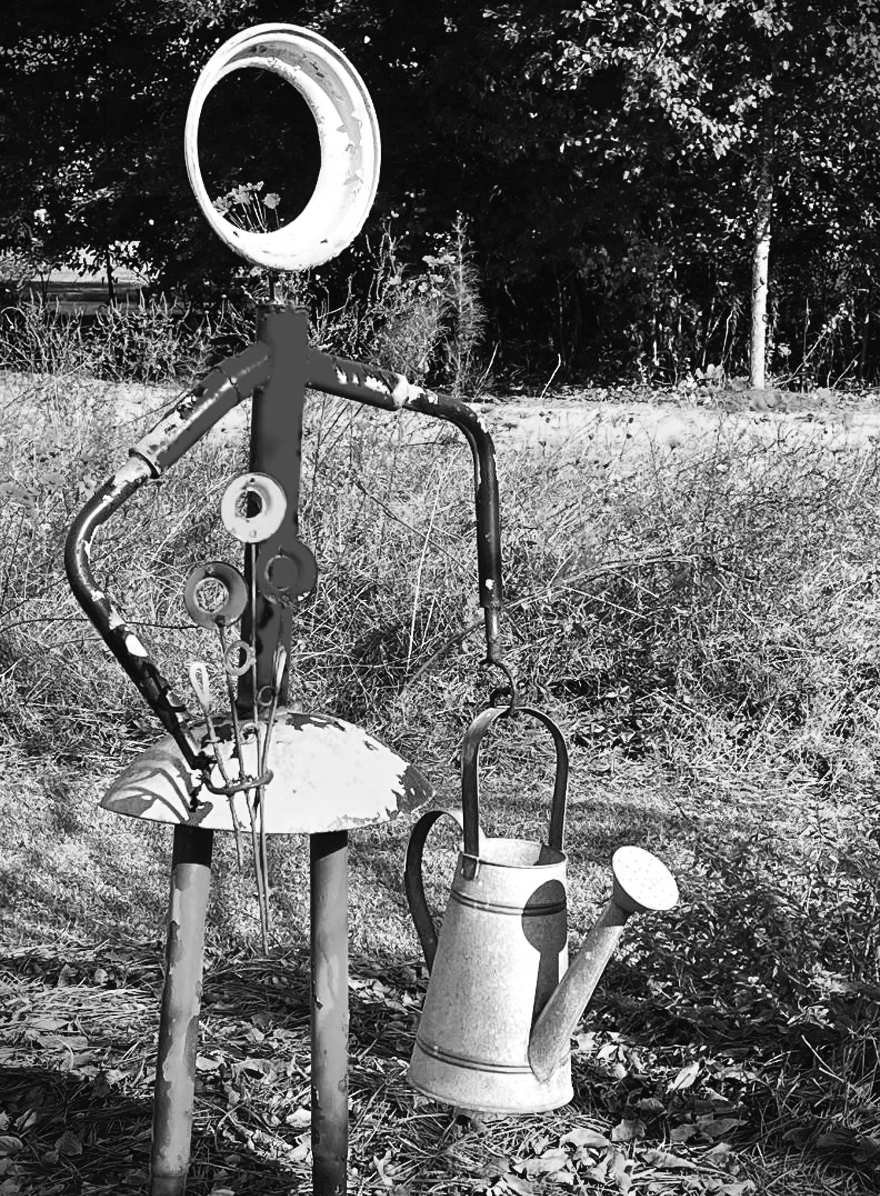
Felder's Water Wisdom
Watering a brown lawn or wilted plant often may be a futile mistake. Seems counterintuitive, especially to folks watering every day, but some plants suffer serious root damage from being watered too much or too often....
Watering a brown lawn or wilted plant often may be a futile mistake. Seems counterintuitive, especially to folks watering every day, but some plants suffer serious root damage from being watered too much or too often.
Not talking about container-grown flowers in porous potting soil that dries out quickly; however, pot and plant size have a lot to do with this as well; To cut down on how often I water, I find that several plants in one big pot are easier to water less frequently; I always water twice a few minutes apart to really soak it in, and keep soil mulched to prevent wicking in the sun.
But roots of in-ground plants, both newly planted and well-established that have gone through heavy winter and spring rains, often have get stunted or diseased, which typically shows up in the heat of summer with wilted, brown or fall color leaves which makes us think the solution is watering more often, which actually aggravates the problem.
What to do? First, consider pruning, which instantly removes stress plus buys time for roots to recover by stimulating new growth that will take two or three weeks to sprout. Then loosen the soil, maybe widen the hole, and mulch an inch or so deep. Then water deeply, but not more than a couple of times a week at first, then once a week max.
This is especially true with lawns; a good, deep soaking every three or four weeks will keep the lawn green and growing, but more than once every week causes shallow, weak, irrigation-dependent roots; a good soaking every week or two is what most lawns need, max; more often actually causes problems. Water deep, not often. This is nothing new; it is straight out of MSU Turf Management.
When to water efficiently? Early in the day or late in the afternoon. But anytime if you aren't doing it all the time. All said, there are better ways to water our gardens than standing there with your thumb over the hose end, each with unique benefits for different setups.
Stationary or movable sprinklers with no moving parts, just holes, spray in a fixed pattern; oscillating sprinklers with horizontal tubes peppered with small holes down their length sway back and forth in a square or rectangular pattern. Best ever for kids to romp in.
Stand-alone rotary sprinklers spray in a circle, and tall impact sprinklers (the kind that shoots a jet of water with that familiar "chik-chik-chik-whirrrr" sound) which are really inefficient because everything gets watered, walks and all. Pop-up lawn and shrub bed sprinklers, though efficient if laid out right, are expensive and high maintenance; they are the ones most often overused.
And of course there are soaker hoses, bubblers, and relatively easy-to-DIY drip systems that deliver small amounts of water directly to targeted plants, especially good for potted plants and hanging baskets; all need to be run a few minutes several times a week, making a timer important.
But around my little garden and its potted plants, nothing beats my hand-held hose with an adjustable water wand on the end. I can choose a wide, gentle shower, adjust it to a center stream to deliver more water, a jet to reach my truck garden from the front deck, or a soaker to set by big plants while I go do something else. And I can run it over my flip-flop-clad feet to give the illusion that I am actually cooling off.
It's hot. Dry. But for heat and root suffering plants, choose efficient water delivery systems and use them right. Not too often.