Story
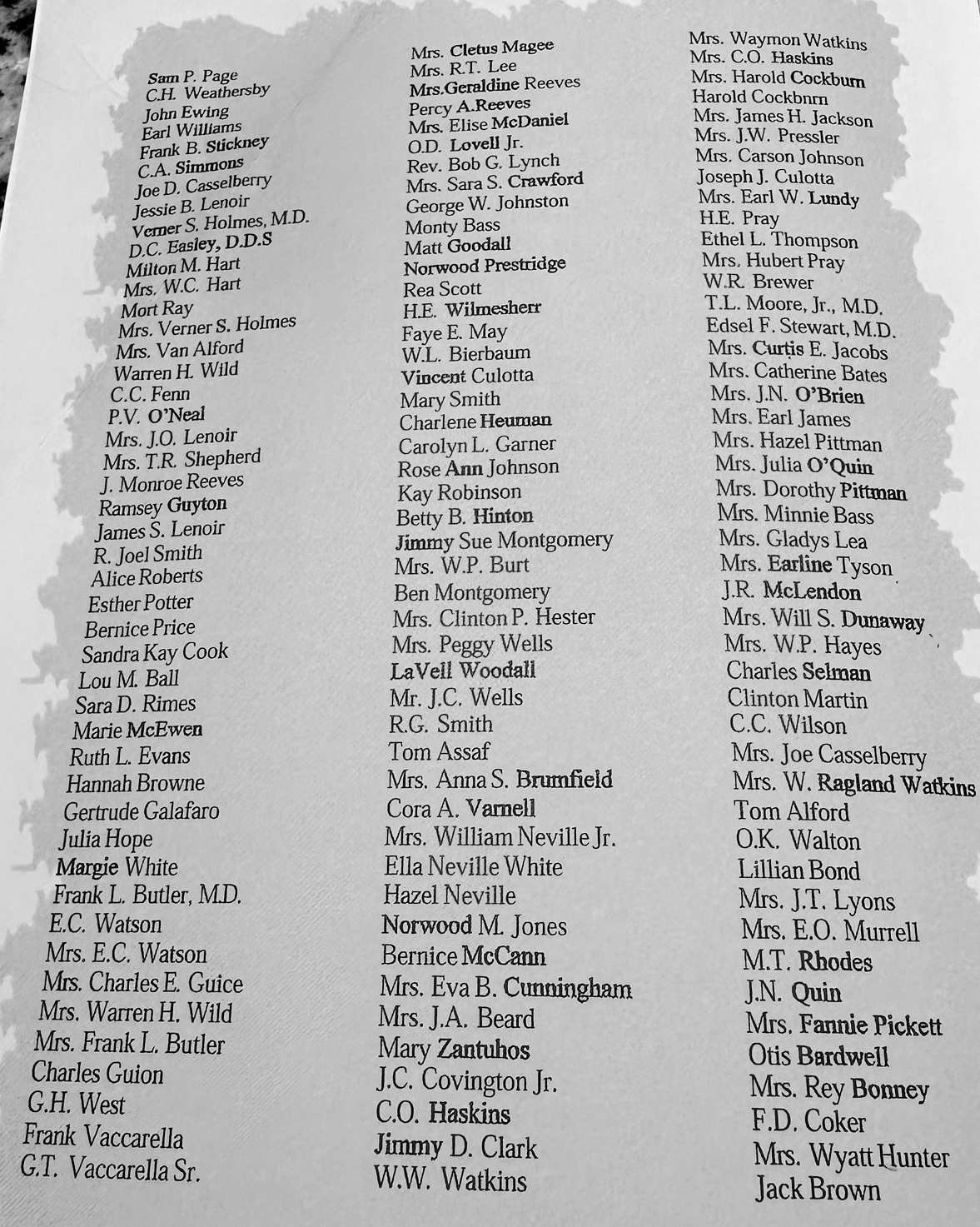
The List of 650
They were heroes then. They are still heroes. Their status is forever secure. Do you believe in miracles? Well, they produced as close to a miracle as our city had ever experienced. They weren’t saints. They were...
They were heroes then. They are still heroes. Their status is forever secure.
Do you believe in miracles? Well, they produced as close to a miracle as our city had ever experienced. They weren’t saints. They were simply citizens who were tired of the mayhem being inflicted on people wanting just to vote—-and weary of a sullied reputation being applied to their community.
Sunday, Nov. 17, is 60 years removed from Nov. 17, 1964, the date on which 650 citizens of McComb and Pike County bought ad space and signed a “Statement of Principles” in the Enterprise-Journal newspaper demanding an end to the area’s scalding civil rights unrest during the Civil Rights Movement’s “Freedom Summer.”
The plan worked and arrests followed of those responsible for carrying out the troubles. Scars remain, long afterward. Southwest Mississippi was an epicenter of the campaign to enroll more Blacks as registered voters in the state that year. The McComb area and Neshoba County could share that title.
In retaliation for the voter registration drive, the Ku Klux Klan firebombed more than a dozen Black-owned homes, businesses and churches in and around McComb during the year. Eleven local Klansmen were criminally charged. The Klan’s vigilantes murdered three civil rights workers in Neshoba County for the same reason.
Tuesday, Nov. 17, 1964, was the perfect time for the 650 citizens to publish their celebrated statement designed to ward off further violence. The day before, the Enterprise-Journal reported that the NAACP would soon conduct compliance tests of McComb restaurants and hotels and “other accommodations” mandated by the U.S. Civil Rights Act passed four months earlier. More trouble wasn’t possible—-it was probable as the city trembled under threat of federally-initiated martial law.
Newspaper editor Oliver Emmerich wrote that businesses must not discriminate against any person because of race, color, religion or national origin. He urged local law authorities to protect all the civil rights activists involved in the tests; and he nudged locals to recognize the limited choices open to business operators. He further asked the public to not panic and riot, which would cause more harm to McComb’s “image, economy and what was left of its serenity”; and, finally, he encouraged the city administration to meet the situation “sensibly and obtain a new sense of stability.”
The townspeople were on edge and the nervousness hadn’t just started, either.
Extensive and intensive Black voter registration had begun in 1961 under renowned civil rights activist Robert P. Moses and sit-ins were pursued at Woolworth’s lunch counter and the Greyhound bus depot by young Blacks. Later, a group of 100 students at Burglund High School were arrested after a demonstration at City Hall. Freedom Riders were thrashed at the bus station and elsewhere around the city.
More tumult set in during 1962 and 1963, but all hell broke THE LIST OF 650 by Mac Gordon, GAZETTE Contributing Editor